Texture Words for Kids
Texture words describe how objects feel when touched, pressed, or moved. Texture Words in English for Kids: Vocabulary and Activities teaches words such as smooth, rough, soft, and sticky. Real objects, short sentence patterns, and comparisons help children remember them. Activities use household or classroom items and connect English labels with textures multilingual learners already recognise.
Core Texture Words and Useful Contrasts
Begin with contrasts. Children grasp rough faster beside a smooth surface. This guide to Texture Words in English for Kids: Vocabulary and Activities starts with words children can test through touch, sight, or gentle pressure.
Context shapes some meanings. Creamy usually describes food or thick liquid; fuzzy often describes fabric, hair, or toys. Let your child handle each object before naming its texture. Physical experience links the word to meaning, not translation alone.
Putting the Words into Complete Sentences
Start with The ___ is ___: “The rock is rough” or “The scarf is soft.” Then use feels: “The table feels smooth.” The adjective stays unchanged after feels, so children should say “It feels rough,” not “It feels roughly.”
Add reasons and comparisons: “The sponge feels soft because I can press it” or “This towel is rougher than that one.” Questions like “Which surface is smoother?” and “Why does the floor feel slippery?” produce richer answers than “What is this?”
When using Texture Words in English for Kids: Vocabulary and Activities at home, model a short answer before requesting a longer one. Accept “Soft,” then expand it: “Yes, the blanket feels soft.” Recasting supplies the full pattern without constant correction.
Introducing Texture Vocabulary Step by Step
Choose four to six words for the first session, preferably two or three contrasting pairs. Let your child sort familiar items: a metal spoon, towel, sponge, paper, fruit, and a safe plastic container.
Use the same sequence for each word: touch, hear, say, compare, and use. Your child touches a spoon, hears “smooth,” repeats it, compares it with a rough towel, then says, “The spoon is smoother.” Younger children may use one word or phrase; older children can explain their evidence.
In multilingual families, children may name the texture in another language first. Acknowledge that knowledge, then supply the English word. They already understand the concept and need another label. LearnLink tutors can use gestures, objects, pictures, and sentence frames while respecting every language a child speaks.
Hands-on Activities for Different Ages
For school-age kids, make a touch-and-match game. Place two safe objects beside word cards or picture symbols. Say, “Find something soft,” then let your child point, touch, and repeat. Keep rounds brief. Avoid sharp edges, loose small parts, or ingredients that may cause a reaction.
For school-age kids, try a texture hunt. In Texture Words in English for Kids: Vocabulary and Activities, object hunts connect each word with a new example. Ask your child to find something smooth, stiff, and stretchy. They should point to or bring each item and say: “The door handle feels smooth.”
Texture Detective Challenge
Choose three objects without naming their textures. Your child examines each object and writes two clues: “It is hard and smooth. It feels colder than the cloth.” Another person identifies the object from the clues. Add comparative words such as softer, rougher, or more slippery for an extra challenge.
For school-age kids, compare materials with their purpose. Ask why a sports grip may be textured, a raincoat feels smooth, or food becomes soggy. Older learners can write a short product description, test its claims against the object, and replace vague words such as nice with precise texture vocabulary.
Practice Routines and Common Mistakes
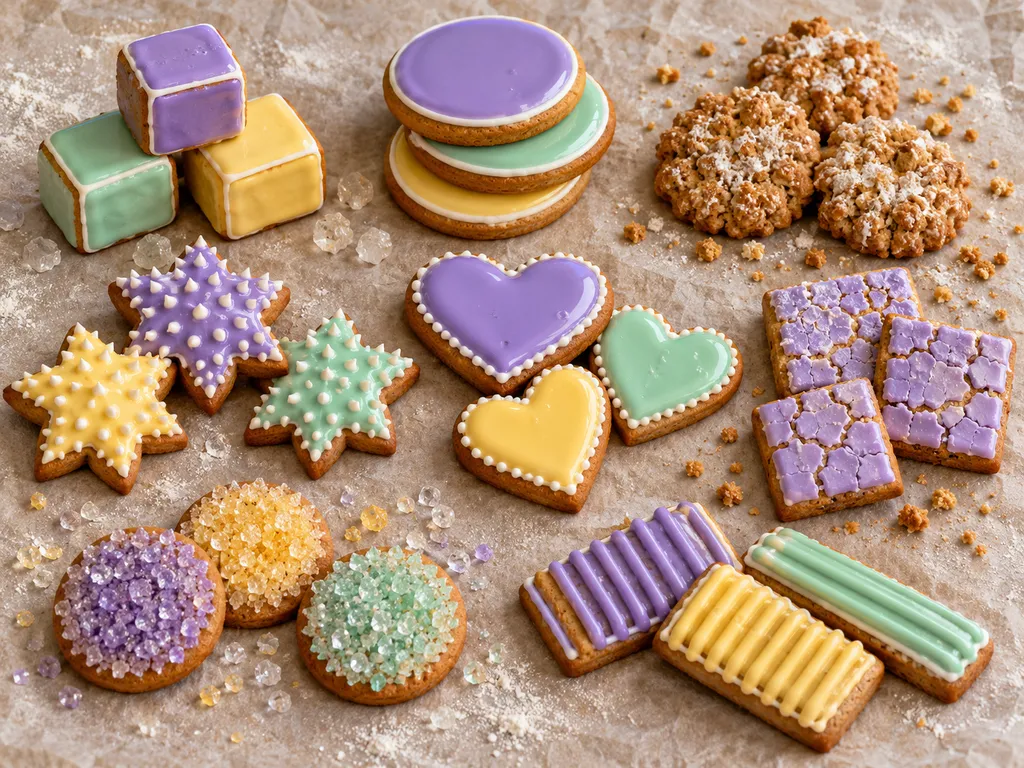
Practise textures during daily routines. At breakfast, compare crisp toast with soft bread. While folding clothes, sort smooth, fuzzy, thick, or thin items. During walks, compare a wall, leaf, bench, and path without damaging anything. One or two questions provide enough review.
A screen may show that an object looks rough but cannot confirm how it feels. Pair pictures or online lessons with a safe object your child can touch. For unfamiliar pictures, say, “It looks bumpy,” not “It feels bumpy,” unless someone has touched it.
Mistakes include confusing soft with smooth, using hard for every unpleasant surface, and adding -ly after feels. Use Texture Words in English for Kids: Vocabulary and Activities to contrast meanings: velvet may be soft and smooth, while rigid plastic may be hard and smooth. Objects can have several properties; the answer depends on the comparison.
- Try sorting six household objects by texture with children ages five to seven.
- Practice naming smooth, rough, soft, and bumpy surfaces during one daily walk.
- Use a picture book to find five texture words before bedtime tonight.
- Compare two objects aloud, then ask your child to explain each choice.
- Avoid correcting immediately; model the right word and invite one relaxed repetition.
When a word has several meanings or pronunciations, Cambridge Dictionary is a useful check before turning it into child-friendly examples.
Frequently Asked Questions
How Many Texture Words Should My Child Learn at Once?
Start with four to six words and adjust the pace. Expand the Texture Words in English for Kids: Vocabulary and Activities set after your child uses the first words in sentences and recognises them on new objects. A small set practised often beats a long list repeated once. Review older words while adding one new contrast.
What Is the Difference Between Rough and Bumpy?
Rough describes an uneven, coarse, or unsmooth surface. Bumpy means a surface has noticeable raised parts. Tree bark can be rough and bumpy. Fine sandpaper may feel rough without large bumps. Compare two real surfaces to show the difference.
Can a Multilingual Child Learn Texture Words in Several Languages?
Yes. Children can connect several language labels to one physical property. Invite a word in any language they know, then model the English sentence. Do not treat their first language as an error or demand word-for-word translation. Add precise English while preserving existing knowledge.
How Should I Correct an Inaccurate Texture Word?
Check whether the answer describes another property. If your child calls a cushion “smooth” instead of “soft,” both may apply. Touch it together: “It feels smooth on the surface and soft when we press it.” If the word is inaccurate, provide the correct model and invite one natural repetition.
A short one-to-one lesson can show what level and pace fit your child — book a trial English lesson.
Stay updated on our latest tips and resources by following us on Instagram LearnLink.